
 Suomi
 Svenska
 Polski
 Čeština
 Slovenčina
 Norsk
 Dansk
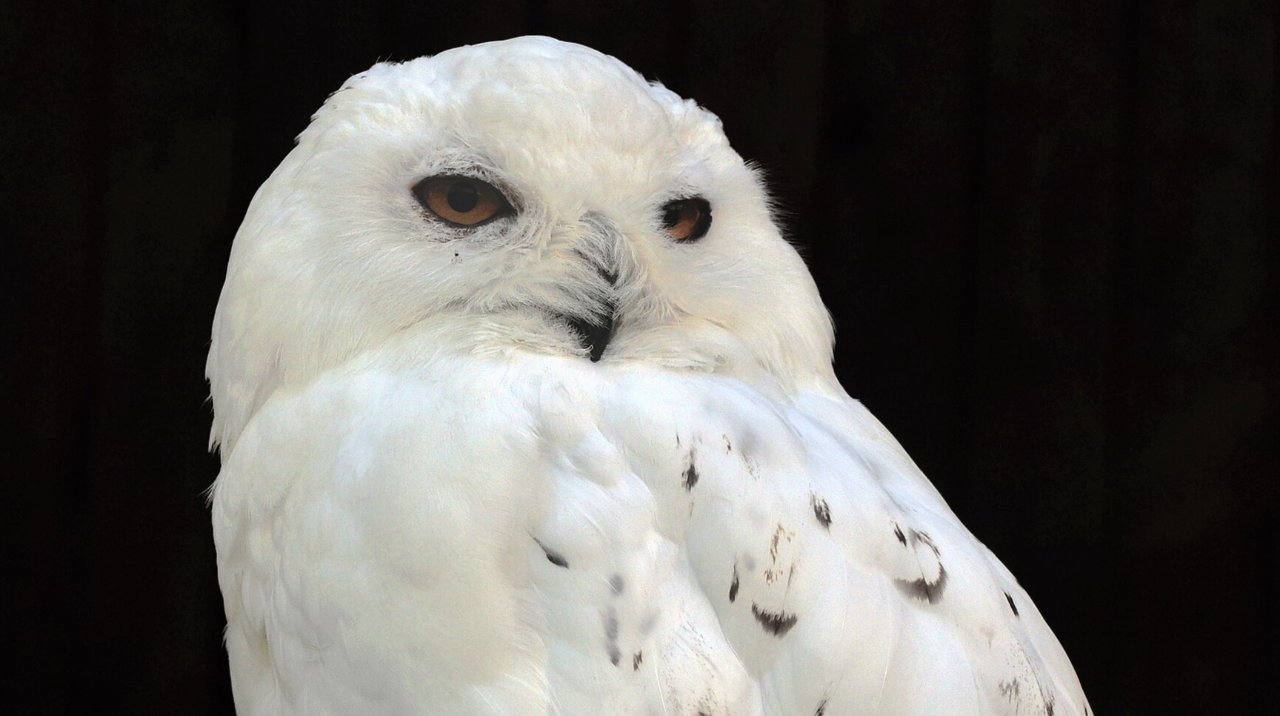
Snowy Owl
Bubo scandiacus
Identify the Snowy Owl by sound or photo and log your sightings with Birdpass.


The Snowy Owl is a large, mostly white owl of the Arctic tundra of North America and Eurasia. Males are whiter, while females and young carry more dark barring. It is often active in daylight, and its breeding success rises and falls with lemming numbers. Highly nomadic and prone to unpredictable irruptions far south, it now appears to be declining because of climate-driven changes in the Arctic.
Did you know?
- It is the only owl that is mainly white.
- Its densely feathered legs and toes act like built-in snow boots.
About the species
Identification
A large, very pale owl whose plumage varies from white to heavily dark-spotted; old males are almost pure white, while young birds and females are clearly barred. The head is round, the eyes bright yellow and the bill surrounded by bristle-like feathers; the legs are completely feathered and the tail rather short. Its flight shows calm, deep wingbeats, glides and occasional hovering.
Family
Strigidae
Size
Very large (swan)
Colours
white, black, yellow, brown
About the habitat
Open Arctic tundra with low vegetation and scattered hummocks; outside the breeding season open, treeless country such as coasts, dunes, peatlands and fields.
Diet
Mainly lemmings and voles; also birds such as ptarmigan and waterfowl, hares and other small mammals, and carrion. It caches surplus prey when rodents are abundant.
Behaviour
Often active by day; hunts by watching from a hummock or low perch and pouncing, or in low coursing flight. It may skip breeding when prey is scarce. It nests in a scrape on a rise in the tundra and lays large, staggered clutches of often 5–11 eggs in good lemming years, defending the nest vigorously.
Sources
Photo: Michael Gäbler, CC BY-SA 3.0 https://commons.wikimedia.org/wiki/File:Bubo scandiacus (Linnaeus, 1758) Male.jpg
Text: Wikipedia (English) + FinBIF species descriptions, CC BY-SA 4.0; FinBIF: CC BY 4.0 https://en.wikipedia.org/wiki/Snowy_owl
 Male.jpg)