
 Suomi
 Svenska
 Polski
 Čeština
 Slovenčina
 Norsk
 Dansk
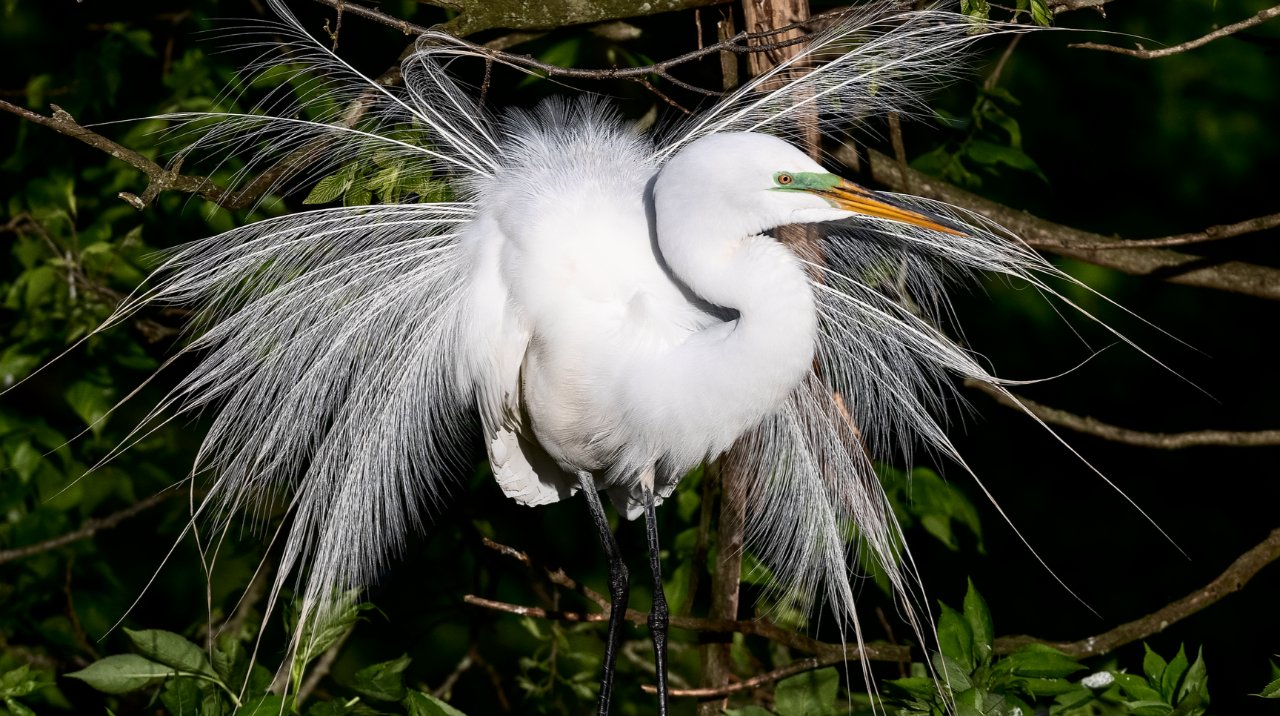
Great Egret
Ardea alba
Identify the Great Egret by sound or photo and log your sightings with Birdpass.


The Great Egret is a large, elegant all-white heron with a yellow bill and black legs, widespread across tropical and warm temperate regions worldwide. It hunts by slow stalking and a sudden spear of its long bill and nests colonially in trees or reedbeds near water. It has been spreading north in Europe in recent decades.
Did you know?
- Around 1900 Great Egrets were heavily hunted for their breeding plumes, used on hats; protection allowed them to recover.
- Unlike storks and cranes, it flies with its neck tucked back.
Voice
About the species
Identification
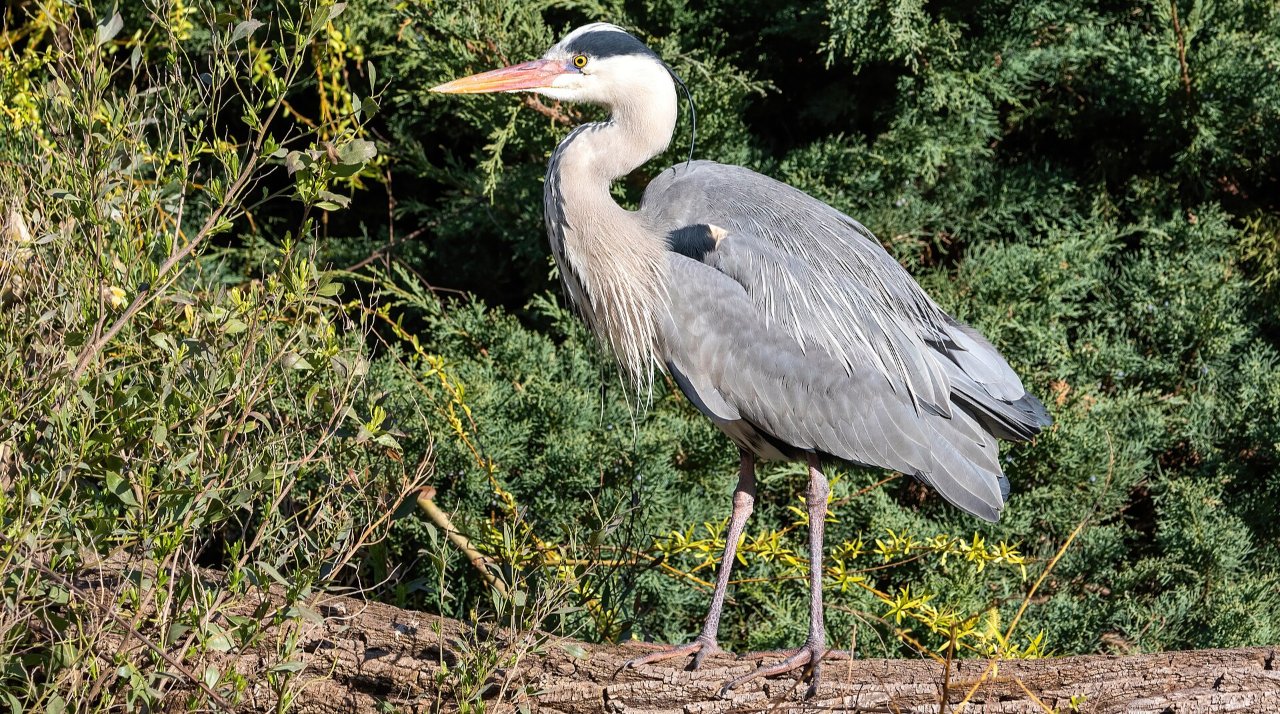
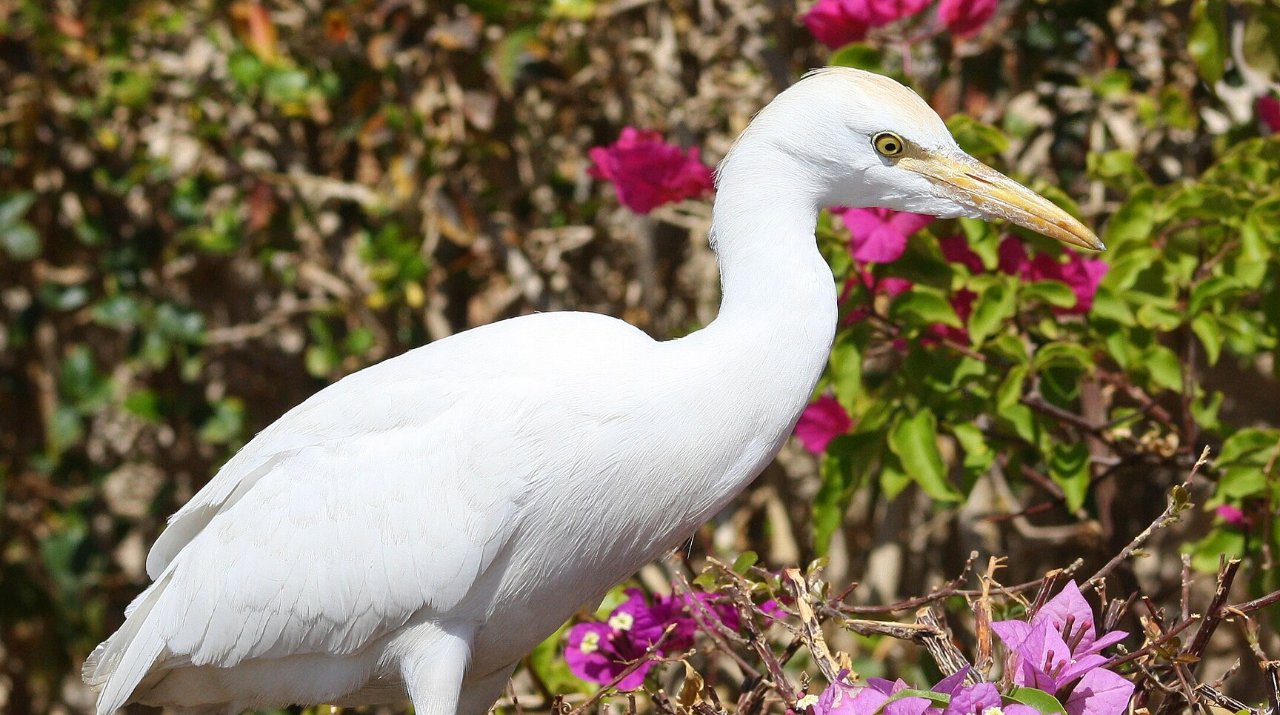
A large, all-white heron. The bill is yellow (partly dark or reddish in the breeding season) and the legs black. It resembles a Grey Heron in size and shape, but is white; the Little Egret is also white but much smaller, with a black bill and yellow feet. In the breeding season it has long lacy plumes on the back.
Family
Ardeidae
Size
Large (crow)
Colours
white, yellow, black
About the habitat
Extensive wetlands with reedbeds, lake and river margins, flooded meadows, estuaries and coastal lagoons; also feeds on wet fields.
Diet
Mainly fish, but also frogs, snakes, crayfish, aquatic insects, grasshoppers and small mammals such as voles; it forages in shallow water and also on fields.
Behaviour
Hunts alone or in loose groups, standing motionless or stalking slowly before striking. Generally quiet, giving harsh croaks when disturbed. Breeds in colonies, often with other herons; the male starts the stick nest, and both parents incubate and feed the young by regurgitation. Flies slowly with deep wingbeats and the neck retracted.
Sources
Photo: Chuck Homler (FocusOnWildlife.Me), CC BY-SA 4.0 https://commons.wikimedia.org/wiki/File:Great Egret (Ardea alba) in Breeding Plumage, Cape May County, New Jersey, USA (cropped).png
Sound: Jonathon Jongsma, XC131650, CC BY-SA 3.0 https://xeno-canto.org/131650
Text: Wikipedia (English) + FinBIF species descriptions, CC BY-SA 4.0; FinBIF: CC BY 4.0 https://en.wikipedia.org/wiki/Great_egret
 in Breeding Plumage, Cape May County, New Jersey, USA (cropped).png)