
 Suomi
 Svenska
 Polski
 Čeština
 Slovenčina
 Norsk
 Dansk
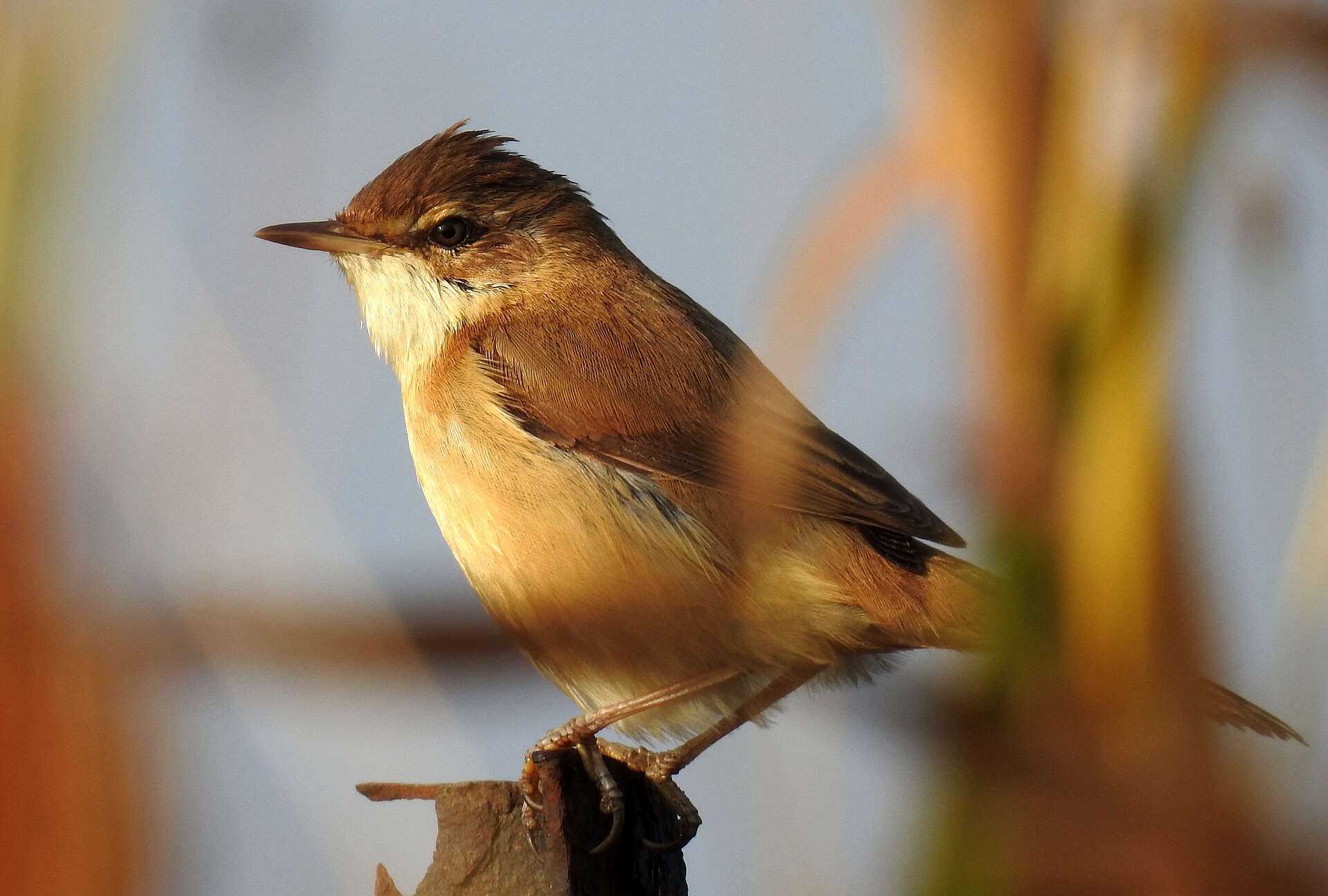
Paddyfield Warbler
Acrocephalus agricola
Identify the Paddyfield Warbler by sound or photo and log your sightings with Birdpass.


The Paddyfield Warbler is a small, warm-brown Acrocephalus warbler of long grass, reedbeds and rice fields across the temperate central Palearctic, from easternmost Europe across Central Asia. It winters in South Asia, from Pakistan and Nepal across the Indian subcontinent, and is a rare vagrant further west in Europe. Its quick song, laced with mimicry, recalls a Marsh Warbler but is weaker and more rhythmic.
Did you know?
- The genus name Acrocephalus comes from Greek for “highest” and “head”, while agricola is Latin for “farmer”.
- Its nest is a deep cup tied to 2–8 upright stems close to the ground or over water.
About the species
Identification
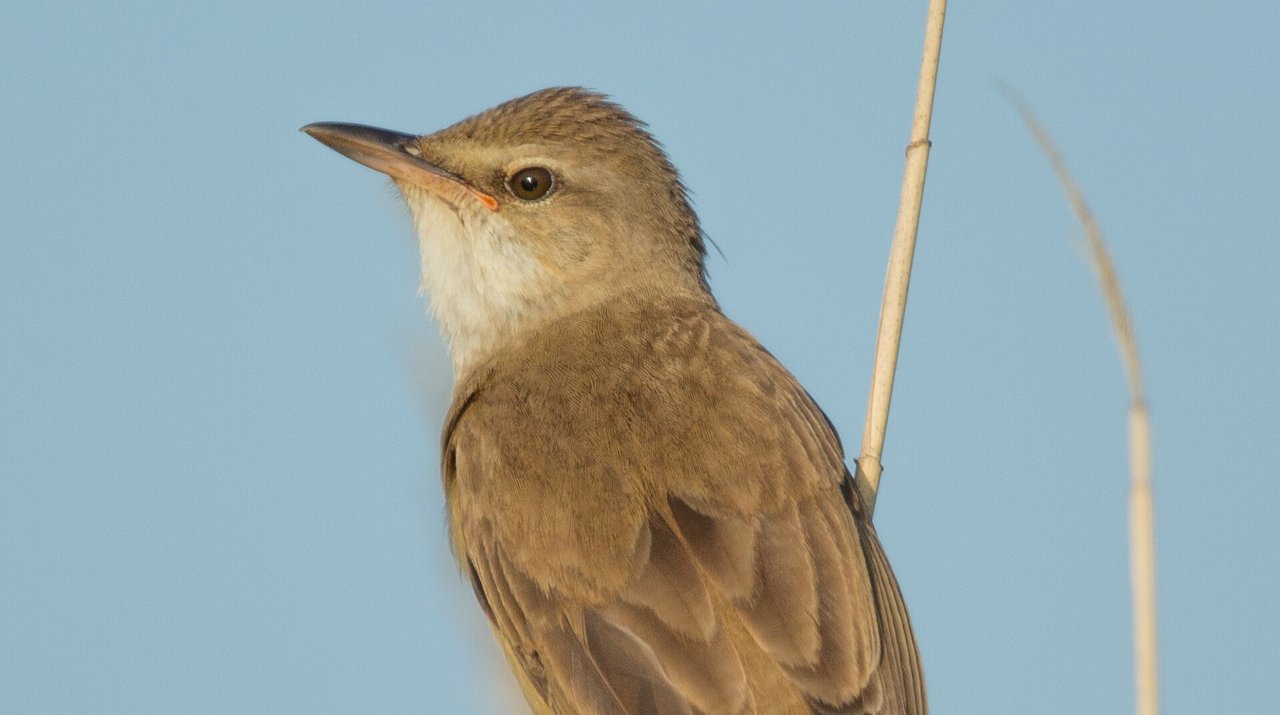
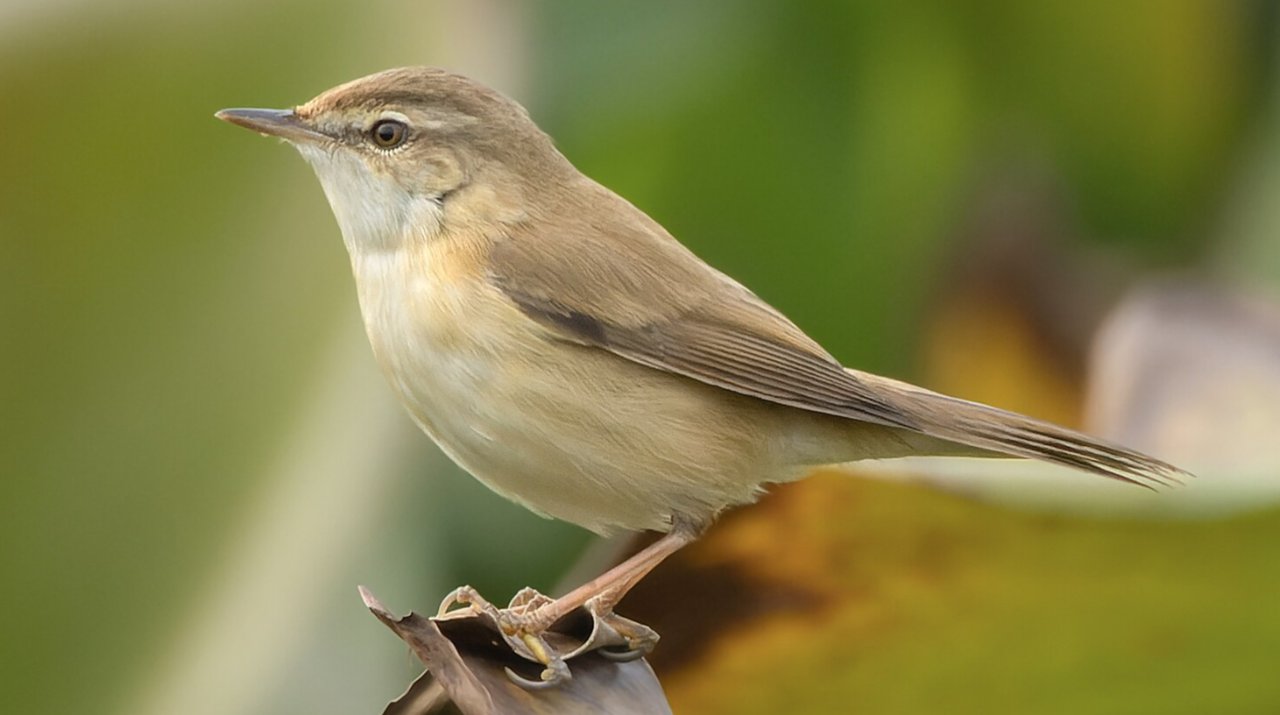
Resembles Blyth's Reed Warbler, but has a stronger head pattern with a bold pale supercilium and darker eye-stripe, browner upperparts and a paler eye area; it has a short bill and wings. It is very hard to separate from other small reed warblers in the field, so identification requires close attention to details.
Family
Acrocephalidae
Size
Tiny (goldcrest)
Colours
brown, white, grey
About the habitat
Breeds along inland waters in dense reed, reedmace, tall herbs, willow and tamarisk; on migration also in coastal scrub and reedbeds.
Diet
Mostly insects and other small invertebrates gleaned from low vegetation such as grasses and reeds.
Behaviour
A migratory warbler that keeps low and often out of sight in dense reeds and tall herbs. Both adults incubate and feed the young; the clutch is usually 4–5 eggs, laid in a deep cup nest bound to several upright stems close to the ground or over water.
Sources
Photo: Dr. Raju Kasambe, CC BY-SA 4.0 https://commons.wikimedia.org/wiki/File:Paddyfield Warbler Acrocephalus agricola by Dr. Raju Kasambe DSCN8336 (11).jpg
Text: Wikipedia (English) + FinBIF species descriptions + Wikipedia (Finnish), CC BY-SA 4.0; FinBIF: CC BY 4.0; Wikipedia: CC BY-SA 4.0 https://en.wikipedia.org/wiki/Paddyfield_warbler
.jpg)