
 Suomi
 Svenska
 Polski
 Čeština
 Slovenčina
 Norsk
 Dansk
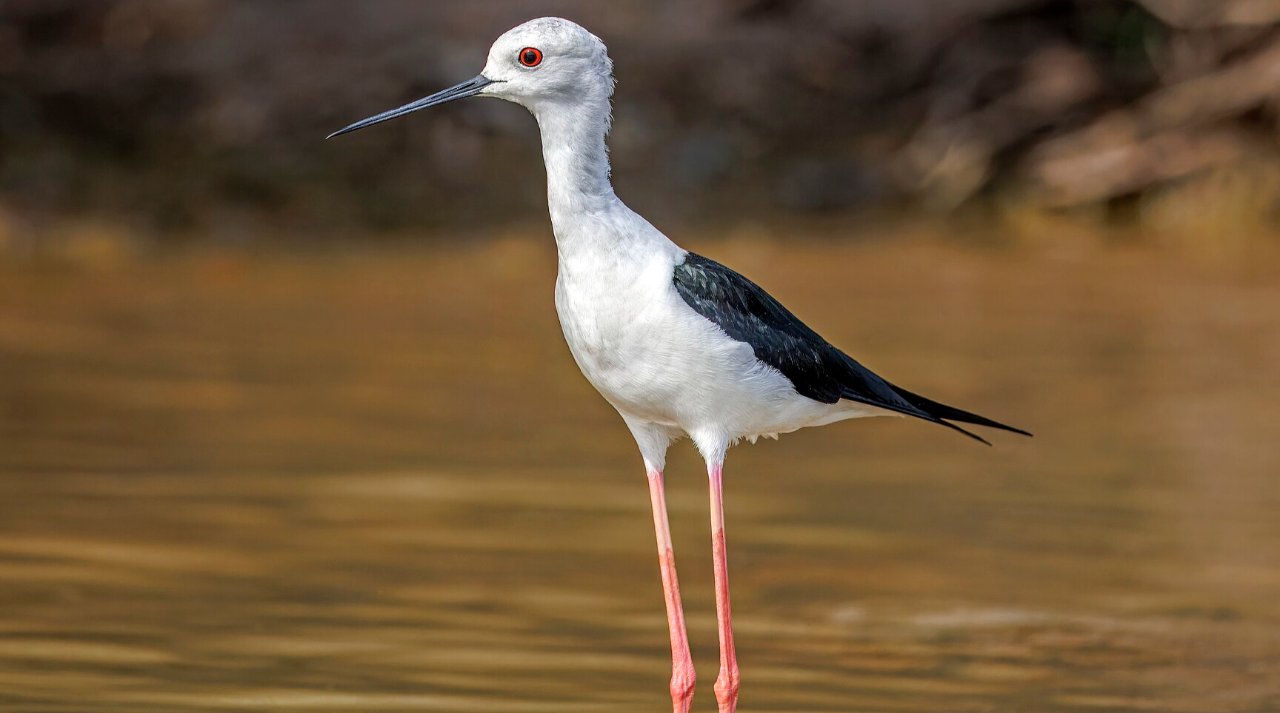
Black-winged Stilt
Himantopus himantopus
Identify the Black-winged Stilt by sound or photo and log your sightings with Birdpass.


The Black-winged Stilt is a striking, extremely long-legged wader of shallow wetlands across much of Europe, Asia and Africa. Slim and elegant, it has sharp black-and-white plumage, bright pink legs and a fine, straight black bill. Many populations breed around inland marshes and move to coasts in winter, while birds in warm regions stay year-round. Its taxonomy has been debated, and some authorities treat it as part of a single, nearly worldwide stilt species.
Did you know?
- Its genus name, Himantopus, comes from the Greek for “strap-foot”.
- Relative to its body size, it has some of the longest legs of any bird.
Voice
About the species
Identification
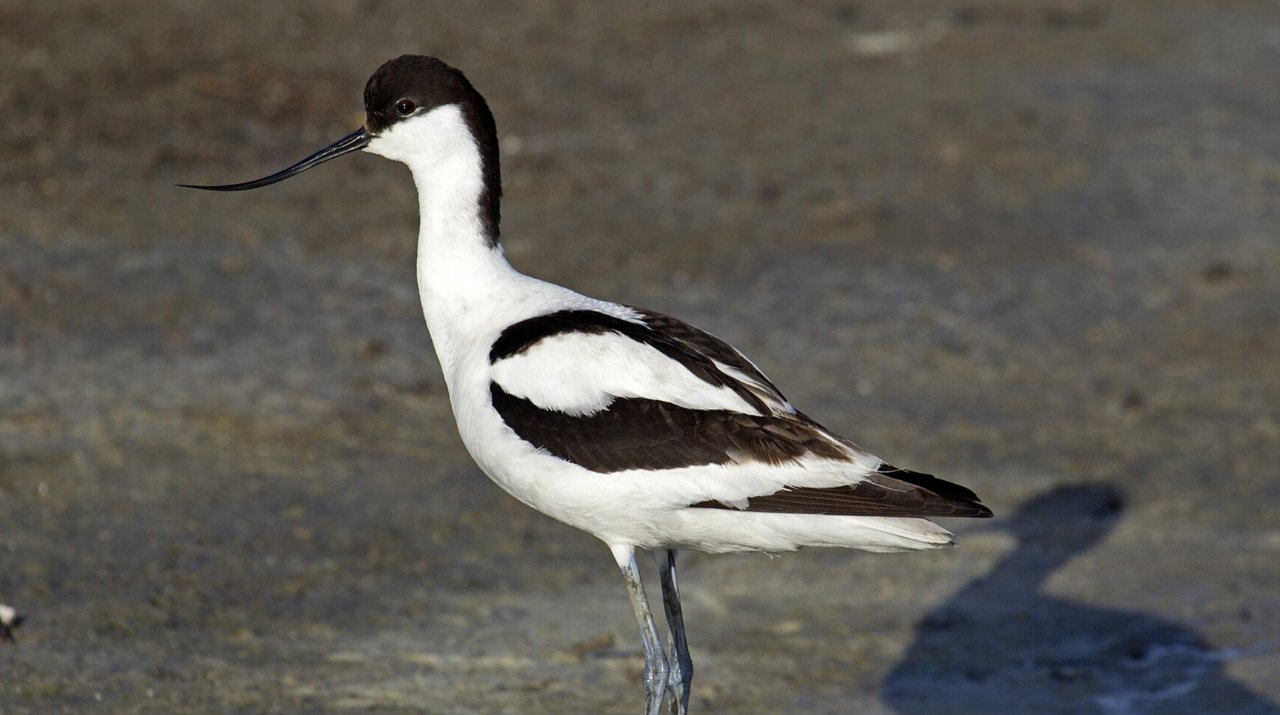
Extremely long pink legs, a long straight bill and black-and-white plumage: dark above and white below. The head is mostly white with variable black on the crown and nape; males usually have more black. Told from Avocet by its straight, not upturned, bill.
Family
Recurvirostridae
Size
Medium (thrush)
Colours
white, black, red
About the habitat
Shallow fresh and brackish wetlands – marshes, lagoons, saltpans, ponds and lake shores – with open mud or sand margins; in winter also coasts and estuaries.
Diet
Mainly small aquatic prey – insects and their larvae, crustaceans and other invertebrates – and tiny fish, picked from the surface of shallow water or mud.
Behaviour
Forages by wading in shallow water and picking delicately from the surface or probing lightly. Noisy and active in open wetlands, it defends its nest vigorously with loud calls. It breeds in loose colonies, often with avocets, and many birds overshoot their breeding range in spring.
Sources
Photo: Charles J. Sharp, CC BY-SA 4.0 https://commons.wikimedia.org/wiki/File:Black-winged stilt (Himantopus himantopus) Pearaing.jpg
Sound: Sonothèque ADVL, XC707028, CC0 1.0 https://xeno-canto.org/707028
Sound: Sonothèque ADVL, XC730587, CC0 1.0 https://xeno-canto.org/730587
Text: Wikipedia (English), CC BY-SA 4.0 https://en.wikipedia.org/wiki/Black-winged_stilt
 Pearaing.jpg)